

Trekking adventures
Global outdoor adventures and sustainable travel itineraries
Hiking
Which disciplines for which environments?
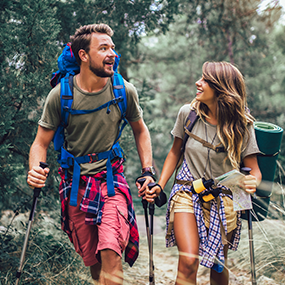
Classic Hiking
This popular day hiking style utilizes waymarked paths suitable for family travel. Duration varies from short walks to multi-day trekking.
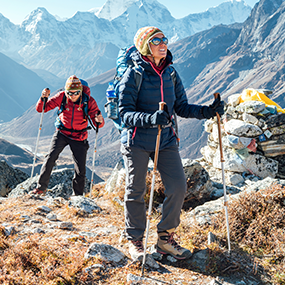
Mountain Hiking
Physically demanding alpine trekking involves steep elevation gain, technical scrambling, and navigating rugged topography or high-altitude summits.
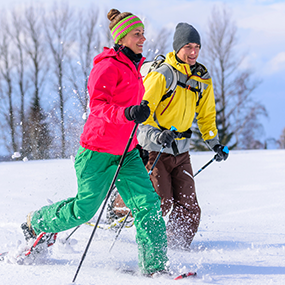
Snowshoeing
Winter snowshoeing offers a peaceful, accessible method to explore frozen landscapes. Whether crossing boreal forests or open powder fields, it facilitates connection with nature conservation zones in seasonal quiet beauty.
The Keys to Logistics and Camping Trips: Tips and Standards

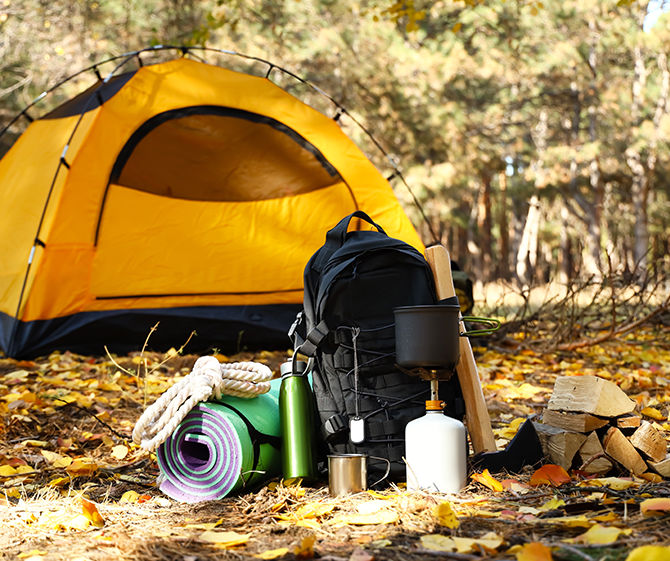
To maximize outdoor getaways, strategic itinerary planning regarding vehicle access is essential. Selecting campsites plays a decisive role, favoring serviced pitches, protection from adverse weather, and proximity to natural resources or sanitary facilities.
Packing technical gear, like robust tents, thermal sleeping bags, or renting campervans, ensures optimal safety. Adopting Leave No Trace principles, specifically zero-waste management and biodiversity protection, actively preserves fragile ecosystems for future exploration.
Nature escape
Breathtaking bivouac and camping spots


Explore the outdoors
Active sports, relaxation, and solo adventures

Biking / Mountain biking
Navigate scenic paved routes or technical singletracks for recreational cycling.

Running / Trail running
Maintain fitness levels and connect with nature by trail running on forest tracks.

Kayaking / Canoeing
Paddle through rapid rivers, calm lakes, or coastal seas for nautical tourism.

Surfing / Paddleboarding
Glide across ocean swells or flat waters for a dynamic aquatic workout.

Mountaineering
Ascend high-altitude peaks, often requiring technical climbing skills and physical endurance.

Trekking
Embark on long-distance expeditions through mountain ranges, dense forests, or valleys.
Homestay
An authentic cultural heritage immersion
Booking guest houses remains an enriching method for deep cultural immersion. This accommodation category offers more than basic lodging: it permits sharing culinary traditions, observing local daily rituals, decoding social etiquette, and building authentic human connections during long stays.
By cohabiting with locals, travelers gain a deeper understanding of regional values, local history, and indigenous perspectives.

Sustainable Tourism
Adopt Ethical Habits When Traveling
Ethical tourism requires implementing impactful strategies. Selecting green-labeled hotels, limiting long-haul aviation, and prioritizing public transit or low-carbon mobility significantly reduces the global carbon footprint. Boosting regional economies by buying local crafts or booking certified local agencies fosters sustainable growth.